
A measured approach to spring service
Garage Door Spring Replacement
For Garage Door Spring Replacement, ASAP Garage Door Services helps property owners plan spring service through careful inspection, clear phone communication, and an approved on-site scope.
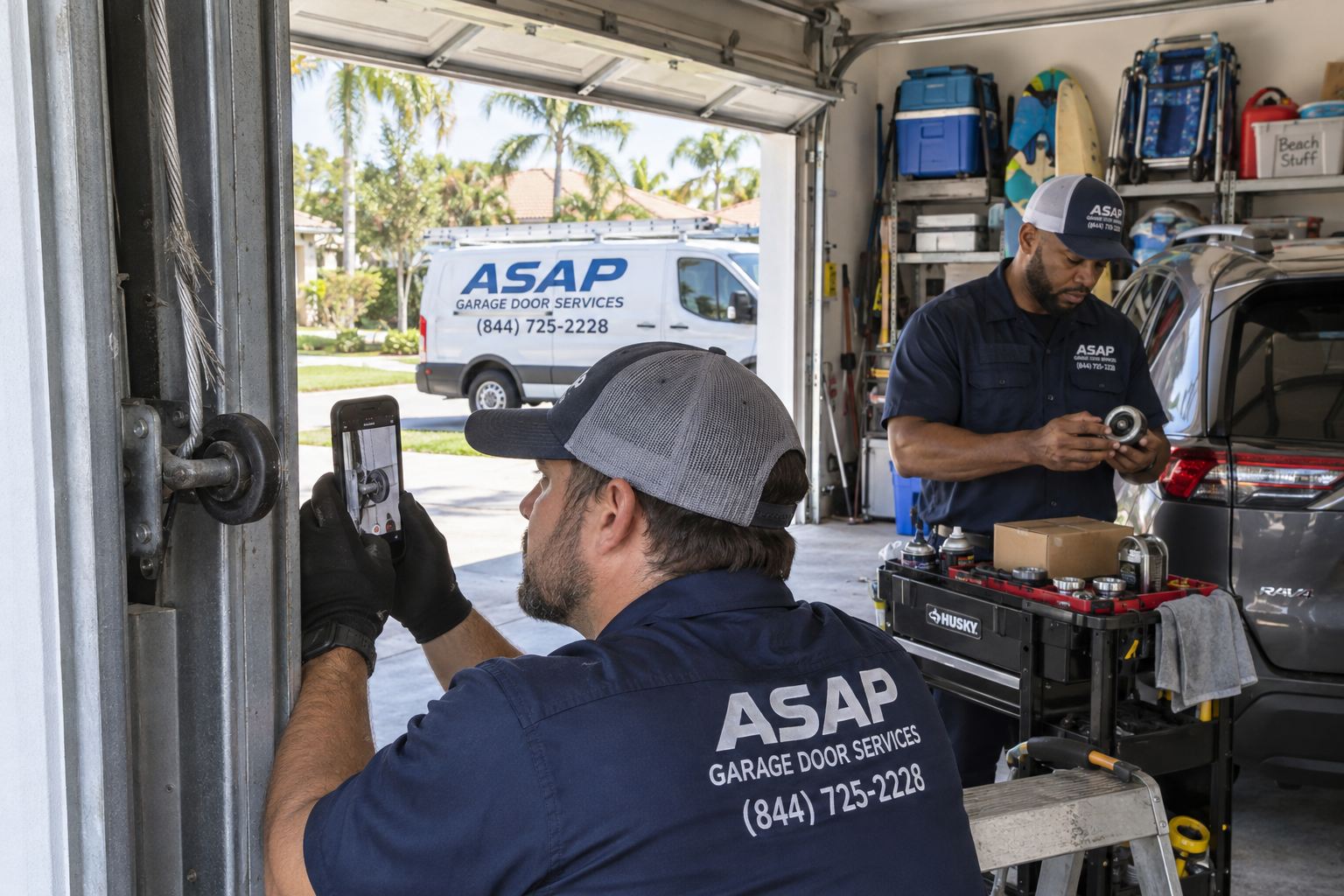
Garage door help, organized clearly
What can we help with?
For Garage Door Spring Replacement, choose the closest service topic below or call to describe the door, access, and current condition.
People, property, and a practical plan
A service visit that starts with listening
The Garage Door Spring Replacement visit begins with the reported symptoms, access needs, and the condition found at the property. The technician then explains the observed issue and proposed scope before additional work is approved.
- Door and hardware inspection
- Residential and commercial planning
- Phone-based quote conversation
- Controlled testing after approved work
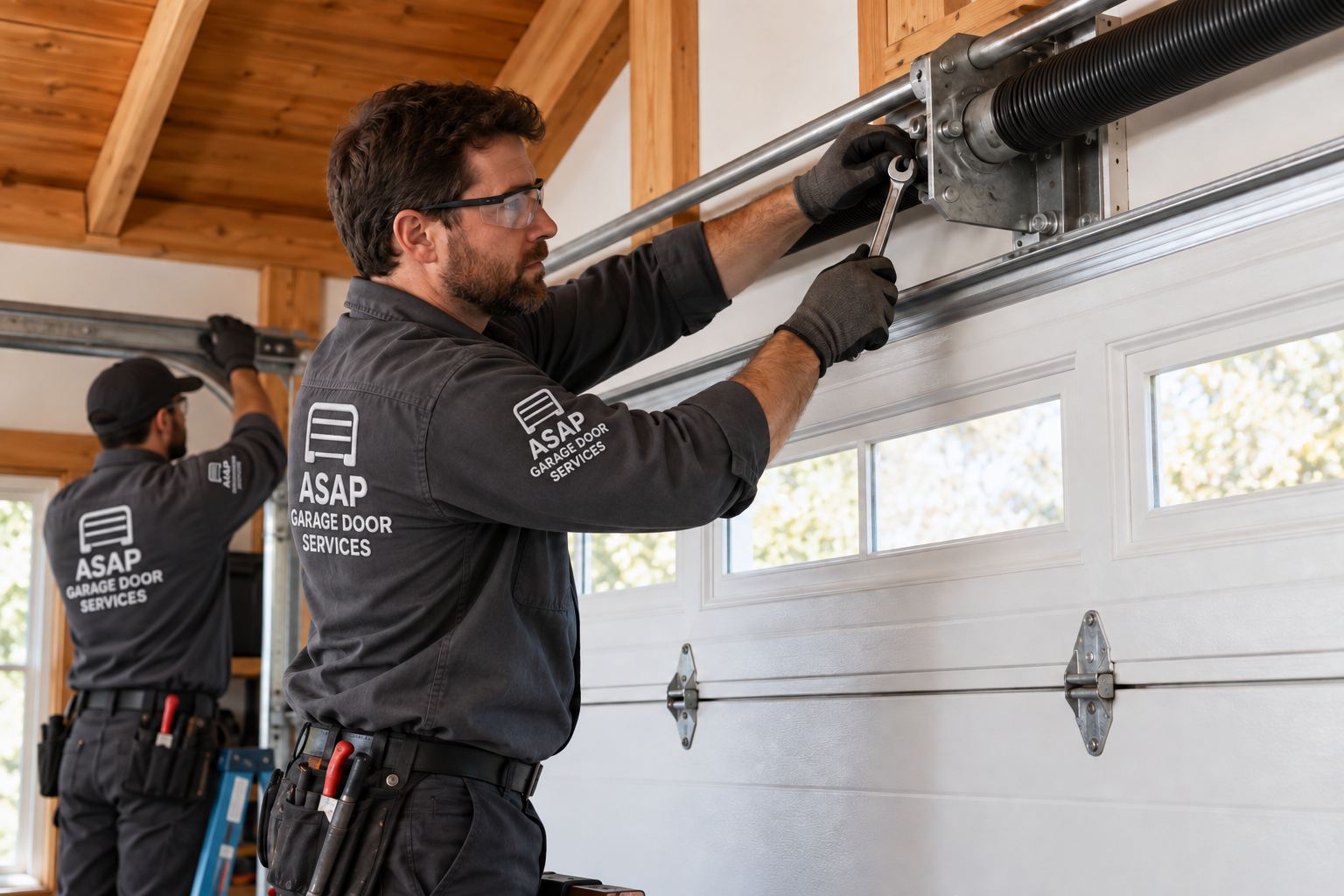
the local area garage door planning
Built around real property conditions
Property layout, weather exposure, door construction, access, and daily use all affect the right service plan. For Garage Door Spring Replacement, the service plan accounts for access, the complete door system, weather exposure, compatible parts, and the customer-approved scope.
Detailed service guide
What to expect from spring service
Start with the door, not a guess
A useful service call begins with the exact behavior of the door. Note where movement stops, which control was used, whether the problem changed suddenly, and whether the opening is currently secure. That information helps the dispatcher choose an appropriate appointment window while leaving diagnosis to the on-site inspection. For Garage Door Spring Replacement planning note 1, a reported condition such as a loud bang near the garage calls for attention to torsion or extension spring layout. Property layout, weather exposure, door construction, access, and daily use all affect the right service plan. The goal of spring service is to match counterbalance parts to the actual door and restore safe, balanced movement without asking the opener to carry the door weight.
The technician should observe the complete assembly before concentrating on the most obvious symptom. A garage door is a connected system. Counterbalance parts, cables, rollers, tracks, panels, hinges, seals, controls, and the operator can influence one another. A written scope should connect the recommended work to what was actually found. On this Garage Door Spring Replacement planning note 1, one possible path is to correct cable position before testing. Completion should include manual travel before opener testing. This page treats those points as a connected plan for Garage Door Spring Replacement, not as a substitute for examining the actual door.
What the current symptoms can reveal
Changes in sound, speed, alignment, or stopping position are useful clues, but they are not a final diagnosis. The same symptom can arise from several causes. For example, an operator that appears weak may be reacting to a heavy or binding door rather than failing on its own. Controlled testing is therefore more reliable than replacing the first part that appears involved. For Garage Door Spring Replacement planning note 2, a reported condition such as a visible gap in a torsion spring calls for attention to shaft, bearing, and bracket condition. For this service topic, door condition, accurate measurements, and documented approval can influence scheduling, inspection, and material selection. The goal of spring service is to match counterbalance parts to the actual door and restore safe, balanced movement without asking the opener to carry the door weight.
Do not repeatedly cycle a door that is crooked, hanging from a cable, outside its tracks, or unusually heavy. Keep people, pets, and vehicles away from the travel path. If the opening cannot be used normally, explain that condition during the phone call so the visit can be planned around access and security. On this Garage Door Spring Replacement planning note 2, one possible path is to address worn bearings or brackets in the written scope. Completion should include complete powered cycles. This page treats those points as a connected plan for Garage Door Spring Replacement, not as a substitute for examining the actual door.
A complete on-site inspection
The appointment should begin with a visual review of the opening, door sections, track path, counterbalance system, lifting hardware, operator connection, controls, and accessible safety equipment. Manual movement may be tested only when the system can be handled safely. The purpose is to distinguish the failed part from secondary wear and from conditions that could interfere with the repair. For Garage Door Spring Replacement planning note 3, a reported condition such as uneven movement between the two sides calls for attention to operator condition after balance is restored. For this service topic, attached garages, detached structures, and business openings can influence scheduling, inspection, and material selection. The goal of spring service is to match counterbalance parts to the actual door and restore safe, balanced movement without asking the opener to carry the door weight.
Measurements and model information matter when parts must be matched. Door width, height, construction, weight, track arrangement, headroom, spring configuration, operator type, and existing hardware can all affect compatibility. Photos can help with early planning, but complicated work still requires an on-site visit before a final scope is approved. On this Garage Door Spring Replacement planning note 3, one possible path is to replace the failed spring with a matched specification. Completion should include even cable tracking. This page treats those points as a connected plan for Garage Door Spring Replacement, not as a substitute for examining the actual door.
Repair choices and scope control
A good recommendation separates necessary work from optional work. The technician should explain what prevents normal operation, what shows material wear, what can remain in service, and what cannot be confirmed until the door is secured or opened for further inspection. The customer can then approve a defined scope instead of receiving a vague list of parts. For Garage Door Spring Replacement planning note 4, a reported condition such as loose cables after the spring system loses tension calls for attention to door weight and dimensions. For this service topic, seasonal weather and property access can influence scheduling, inspection, and material selection. The goal of spring service is to match counterbalance parts to the actual door and restore safe, balanced movement without asking the opener to carry the door weight.
Sometimes the practical next step is stabilization rather than completion. A special part may need to be identified, a damaged opening may require other trade work, or a door may need to remain closed until a compatible component is available. Those limitations should be stated before additional work is scheduled. On this Garage Door Spring Replacement planning note 4, one possible path is to evaluate paired springs as one counterbalance system. Completion should include quiet shaft movement. This page treats those points as a connected plan for Garage Door Spring Replacement, not as a substitute for examining the actual door.
Residential property considerations
Residential doors often share walls or rooms with living space, so noise, insulation, seal contact, lighting, storage, and family access can matter alongside basic operation. The technician should protect nearby belongings and identify anything that limits safe access to tracks, controls, or the operator. Vehicles should be moved when possible before the appointment. For Garage Door Spring Replacement planning note 5, a reported condition such as a door that feels unusually heavy calls for attention to cable position on both drums. For this service topic, door condition, accurate measurements, and documented approval can influence scheduling, inspection, and material selection. The goal of spring service is to match counterbalance parts to the actual door and restore safe, balanced movement without asking the opener to carry the door weight.
Door appearance also affects repair decisions. A mechanically usable section may still have finish damage, while a visually damaged section may no longer hold hinges or reinforcement safely. The decision should account for section availability, structural condition, the remaining door, and the owner's priorities without treating appearance as proof of mechanical failure. On this Garage Door Spring Replacement planning note 5, one possible path is to correct cable position before testing. Completion should include customer review of the new spring scope. This page treats those points as a connected plan for Garage Door Spring Replacement, not as a substitute for examining the actual door.
Commercial opening considerations
Business doors may serve loading areas, service bays, storage rooms, parking access, or customer facing spaces. Scheduling must consider authorized contacts, vehicle movement, pedestrian separation, alarm procedures, delivery times, and the need to keep another entrance available. The dispatcher should collect these details before the visit. For Garage Door Spring Replacement planning note 6, a reported condition such as an opener that lifts only a few inches calls for attention to track and roller movement. For this service topic, attached garages, detached structures, and business openings can influence scheduling, inspection, and material selection. The goal of spring service is to match counterbalance parts to the actual door and restore safe, balanced movement without asking the opener to carry the door weight.
Commercial sectional, rolling, fire related, high cycle, and specialty systems do not all use the same components or service procedures. The technician should identify the door type and the limits of the requested work. Specialized or rated assemblies may need an appropriately qualified provider and documented follow-up. On this Garage Door Spring Replacement planning note 6, one possible path is to address worn bearings or brackets in the written scope. Completion should include door balance at controlled positions. This page treats those points as a connected plan for Garage Door Spring Replacement, not as a substitute for examining the actual door.
Weather and local property conditions
Weather does not diagnose a broken door, but exposure can change what deserves attention. Sun can age finishes and seals. Moisture and salt can accelerate corrosion. Wind or impact can disturb panels and tracks. Cold can reveal stiff seals or marginal lubrication. Dust and debris can interfere with photo eyes and moving hardware. For Garage Door Spring Replacement planning note 7, a reported condition such as a loud bang near the garage calls for attention to torsion or extension spring layout. For this service topic, seasonal weather and property access can influence scheduling, inspection, and material selection. The goal of spring service is to match counterbalance parts to the actual door and restore safe, balanced movement without asking the opener to carry the door weight.
Local construction and access are equally relevant. Alley garages, gated communities, steep drives, attached garages, detached workshops, parking structures, and shared commercial yards create different staging needs. A location page should help the customer prepare for those conditions instead of merely repeating a city name. On this Garage Door Spring Replacement planning note 7, one possible path is to replace the failed spring with a matched specification. Completion should include manual travel before opener testing. This page treats those points as a connected plan for Garage Door Spring Replacement, not as a substitute for examining the actual door.
Phone planning, quotes, and service call charge
Call ASAP Garage Door Services at (844) 725-2228 to discuss the door, the address, access, urgency, and preferred appointment range. Quotes are handled by phone. Clear photos and model information may help the conversation, but they do not replace the physical inspection when the condition is complex or parts must be measured. For Garage Door Spring Replacement planning note 8, a reported condition such as a visible gap in a torsion spring calls for attention to shaft, bearing, and bracket condition. For this service topic, door condition, accurate measurements, and documented approval can influence scheduling, inspection, and material selection. The goal of spring service is to match counterbalance parts to the actual door and restore safe, balanced movement without asking the opener to carry the door weight.
Complicated jobs require an on-site visit and a service call charge. The charge is explained before dispatch. After inspection, the technician can describe findings, limitations, parts availability, and the proposed scope so the customer can decide how to proceed. No work outside the approved scope should be assumed. On this Garage Door Spring Replacement planning note 8, one possible path is to evaluate paired springs as one counterbalance system. Completion should include complete powered cycles. This page treats those points as a connected plan for Garage Door Spring Replacement, not as a substitute for examining the actual door.
Preparing for the appointment
Before the scheduled window, clear a practical path to both sides of the door, the wall control, the operator, and the electrical outlet when one is installed. Move vehicles if the door can be operated safely. Secure pets, arrange gate or building access, and identify the person authorized to approve the work. For Garage Door Spring Replacement planning note 9, a reported condition such as a door that feels unusually heavy calls for attention to cable position on both drums. For this service topic, attached garages, detached structures, and business openings can influence scheduling, inspection, and material selection. The goal of spring service is to match counterbalance parts to the actual door and restore safe, balanced movement without asking the opener to carry the door weight.
Gather any useful records, such as the door or operator model, previous service notes, connected control details, and photos of a sudden change. Do not loosen springs, bottom fixtures, cables, drums, or structural brackets. Those parts can be under substantial force even when the door is not moving. On this Garage Door Spring Replacement planning note 9, one possible path is to correct cable position before testing. Completion should include customer review of the new spring scope. This page treats those points as a connected plan for Garage Door Spring Replacement, not as a substitute for examining the actual door.
How the service visit should proceed
The technician should confirm the reported concern, inspect the system, explain immediate safety issues, and present a defined plan. If conditions differ from the phone description, the scope may change. The customer should understand the reason for that change before authorizing additional work. For Garage Door Spring Replacement planning note 10, a reported condition such as an opener that lifts only a few inches calls for attention to track and roller movement. For this service topic, seasonal weather and property access can influence scheduling, inspection, and material selection. The goal of spring service is to match counterbalance parts to the actual door and restore safe, balanced movement without asking the opener to carry the door weight.
Work areas should remain controlled during service. Tools, removed components, ladders, and the door travel path should be kept away from residents, employees, visitors, and vehicles. When testing begins, controls should be used deliberately and only after the travel area is checked. On this Garage Door Spring Replacement planning note 10, one possible path is to address worn bearings or brackets in the written scope. Completion should include door balance at controlled positions. This page treats those points as a connected plan for Garage Door Spring Replacement, not as a substitute for examining the actual door.
Closeout and customer handoff
Closeout is more than seeing the door move once. The completed scope should be reviewed through controlled cycles, with attention to balance, alignment, cable position, roller travel, controls, seals, unusual sound, and the installed safety equipment that applies to that system. Remaining limitations should be recorded. For Garage Door Spring Replacement planning note 11, a reported condition such as an opener that lifts only a few inches calls for attention to track and roller movement. For this service topic, door condition, accurate measurements, and documented approval can influence scheduling, inspection, and material selection. The goal of spring service is to match counterbalance parts to the actual door and restore safe, balanced movement without asking the opener to carry the door weight.
The customer should receive a plain explanation of what was changed, what was tested, what was not included, and what signs should prompt another call. Manual release instructions may be reviewed when appropriate, but the release should not be used to move a door that is unstable, off track, or unexpectedly heavy. On this Garage Door Spring Replacement planning note 11, one possible path is to address worn bearings or brackets in the written scope. Completion should include door balance at controlled positions. This page treats those points as a connected plan for Garage Door Spring Replacement, not as a substitute for examining the actual door.
Ongoing observation after service
Routine observation can catch changes before they become larger interruptions. Watch both sides of the door from a safe position. Listen for a new sound. Notice whether the bottom reaches the floor evenly and whether the operator changes speed. Keep the track area and photo eyes clear without altering spring or cable settings. For Garage Door Spring Replacement planning note 12, a reported condition such as a door that feels unusually heavy calls for attention to cable position on both drums. For this service topic, attached garages, detached structures, and business openings can influence scheduling, inspection, and material selection. The goal of spring service is to match counterbalance parts to the actual door and restore safe, balanced movement without asking the opener to carry the door weight.
If the door begins to bind, reverse unexpectedly, drift, hang unevenly, or require repeated control attempts, stop and arrange an inspection. Maintenance cannot correct a damaged component, and household oils or improvised adjustments may create additional problems. Product specific care should follow the manufacturer's instructions. On this Garage Door Spring Replacement planning note 12, one possible path is to correct cable position before testing. Completion should include customer review of the new spring scope. This page treats those points as a connected plan for Garage Door Spring Replacement, not as a substitute for examining the actual door.
Questions to ask before approving work
Ask which observed condition supports each recommendation, which components will be replaced or adjusted, whether parts match the door, what testing is included, and whether another visit may be necessary. For installation, ask how measurements, track layout, spring selection, operator compatibility, weather sealing, and applicable product documentation were addressed. For Garage Door Spring Replacement planning note 13, a reported condition such as a visible gap in a torsion spring calls for attention to shaft, bearing, and bracket condition. For this service topic, seasonal weather and property access can influence scheduling, inspection, and material selection. The goal of spring service is to match counterbalance parts to the actual door and restore safe, balanced movement without asking the opener to carry the door weight.
Also ask what remains outside the scope. Examples can include framing, finish work, electrical changes, access equipment, rated assemblies, concealed damage, or unavailable matching sections. Clear boundaries reduce surprises and make the completed work easier to evaluate. On this Garage Door Spring Replacement planning note 13, one possible path is to evaluate paired springs as one counterbalance system. Completion should include complete powered cycles. This page treats those points as a connected plan for Garage Door Spring Replacement, not as a substitute for examining the actual door.
A practical service decision
The strongest decision is based on the whole opening, not a search phrase or a single visible part. Repair can be sensible when the door and compatible components remain serviceable. Replacement can be more practical when damage is widespread, required parts are unavailable, or the existing configuration does not fit the property's needs. For Garage Door Spring Replacement planning note 14, a reported condition such as a loud bang near the garage calls for attention to torsion or extension spring layout. For this service topic, door condition, accurate measurements, and documented approval can influence scheduling, inspection, and material selection. The goal of spring service is to match counterbalance parts to the actual door and restore safe, balanced movement without asking the opener to carry the door weight.
ASAP Garage Door Services organizes the conversation around observed conditions, measured compatibility, written approval, and controlled testing. The next step is a phone call to describe the situation and schedule an appropriate visit. The final recommendation follows the on-site findings. On this Garage Door Spring Replacement planning note 14, one possible path is to replace the failed spring with a matched specification. Completion should include manual travel before opener testing. This page treats those points as a connected plan for Garage Door Spring Replacement, not as a substitute for examining the actual door.
Common questions about Garage Door Spring Replacement
How do I arrange spring service in my area?
Call (844) 725-2228 with the address, door condition, access details, and a preferred appointment range. Quotes are handled by phone. This answer is specific to the Garage Door Spring Replacement page.
Can a complicated job be priced without a visit?
Complicated work requires an on-site visit and a service call charge. The charge is explained before dispatch, and the proposed scope follows inspection. This answer is specific to the Garage Door Spring Replacement page.
Should I keep using a crooked or unusually heavy door?
No. Keep the travel area clear and avoid repeated operation until the door can be inspected. Mention the condition when you call. This answer is specific to the Garage Door Spring Replacement page.
What should I prepare before service?
Clear access to the door, tracks, wall control, and operator. Move vehicles when safe, secure pets, and arrange any gate or building access. This answer is specific to the Garage Door Spring Replacement page.
Ready to talk through the door?
Call ASAP Garage Door Services
For Garage Door Spring Replacement, describe the symptoms and property access so the team can discuss scheduling and the next appropriate step.